The Architecture of Surface: Glaze Development, Digital Craft, and Studio Practice
with HP Bloomer
Course Schedule:
2nd Saturdays // 1-3pm EST
Course Description:
For the practiced artist the Glaze and surface are not merely decorative afterthoughts: they are structural components of the form. This twelve month intensive mentorship is designed for makers seeking to learn about glaze chemistry, build better studio practices, learn about mixing, testing, and growing with your glazes while cultivating individualized surface vocabulary. Move beyond blind recipe following and understand the why so you can create with intent through active research.
Through the lens of contemporary studio practices (from computational tools like Glazy to the inclusion of digital craft cutters and understanding how to set up a glazing space) this Continuum will explore the why and the how behind the surface. We will seek to develop understanding of UMF, establish rigorous, space efficient testing habits, and explore the diverse and complex nature of developing a visual language. Meeting for two hours every month, this intimate cohort is open to beginners though advanced makers and functions as an online laboratory and peer-review group, encouraging participants to share testing data, troubleshoot anomalies collectively and build a collaborative community.
Phase 1
Focusing on setting up the physical and digital architecture for reliable safe and organized experimentation
Month 1: The technical Architecture & Cohort Manifesto
Month 2: Computational Chemistry (UMF) via Glazy.org & DigitalFire
Month 3: Deconstructing the Melt
Month 4: Glaze Defect Autopsy & Note Taking
Phase 2
Moving from base glazes into color theory, material substitution and firing methodology.
Month 5: Colorants, Opacifiers, Phase Separation, Etc
Month 6: Replacements & Substitutions via UMF
Month 7: Designing for Access - What are you firing, what do you have access to and how can you keep true to that through line in any environment.
Month 8: Flocculation/Defloculation, Specific Gravity and Applications
Phase 3
Developing knowledge through observation and experimentation.
Month 9: Mark Making & Glaze Interaction
Month 10: Developing Surface Relationships
Month 11: Cohesive Collection - Unifying Form & Surface
Phase 4
Month 12: The Collective Data & Next Steps
Registration opens October 19th at 10am Central Time
About H.P.
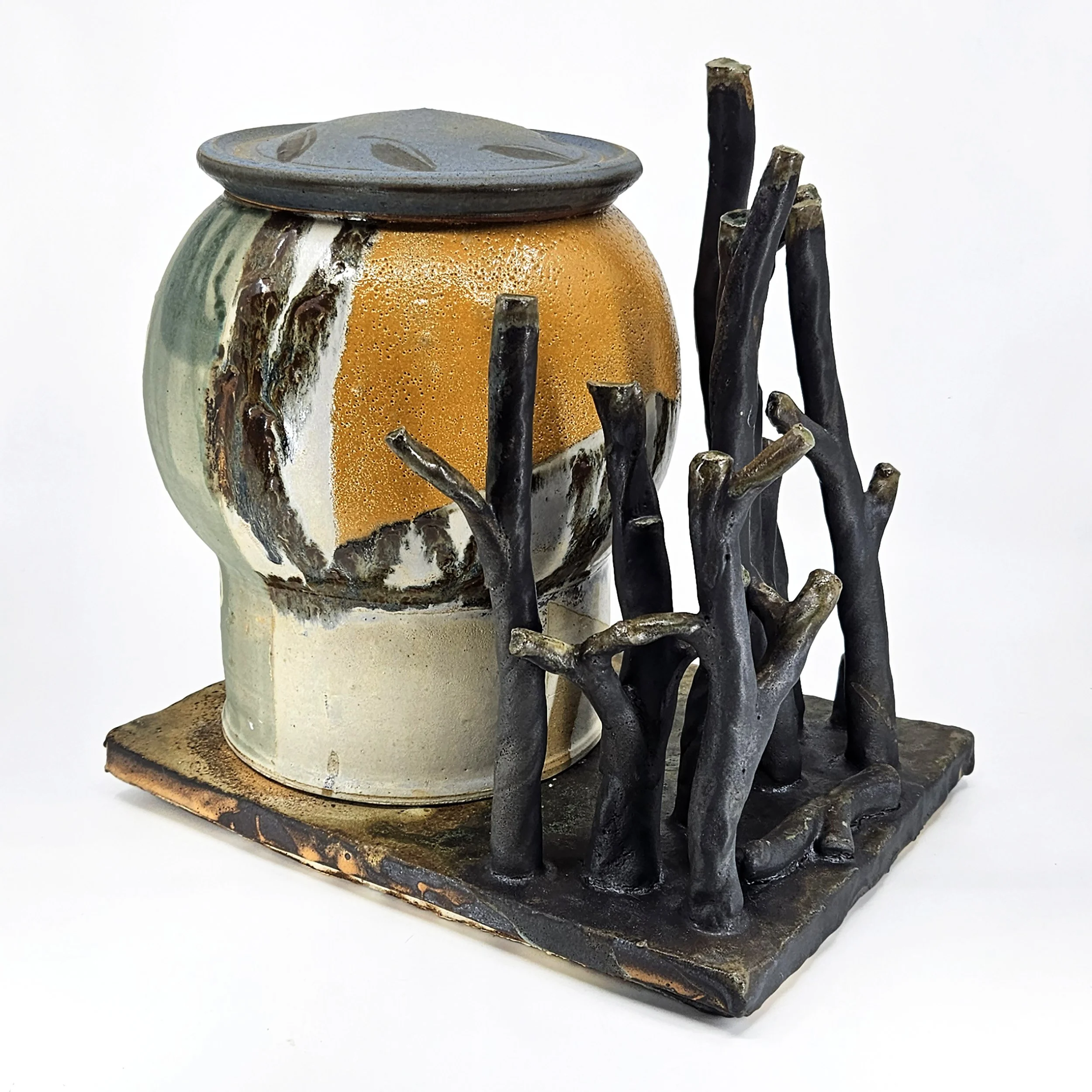
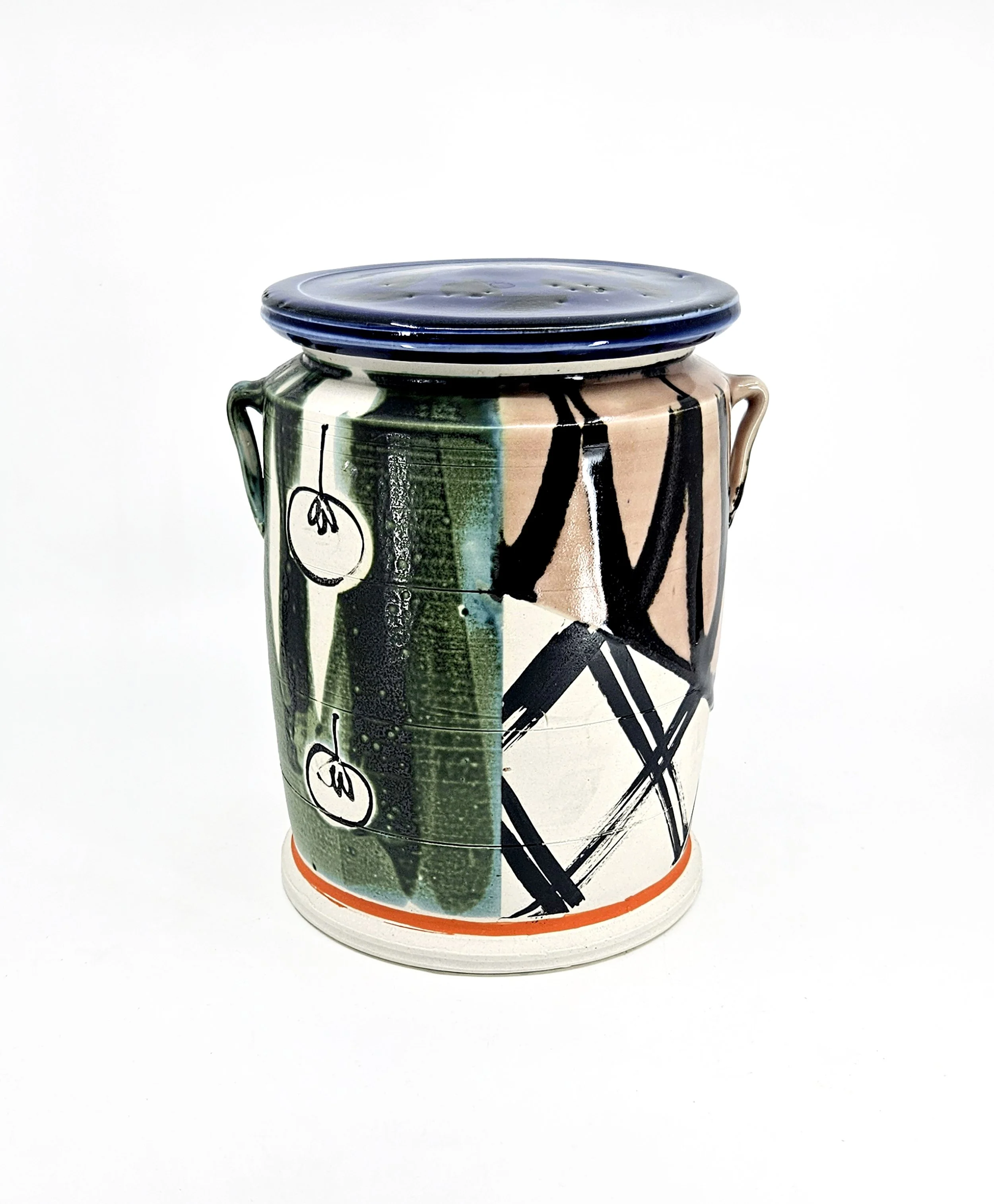
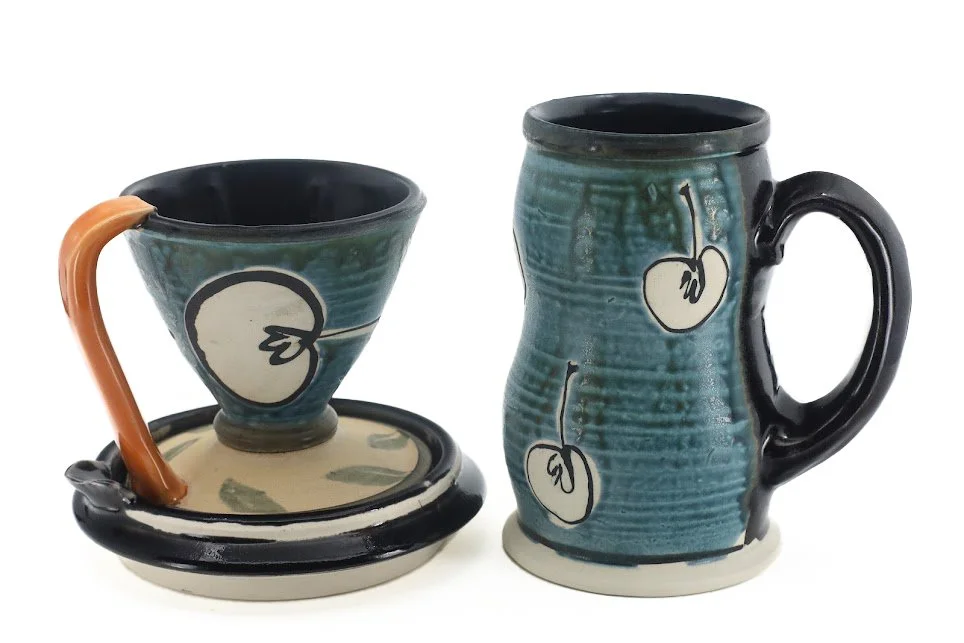
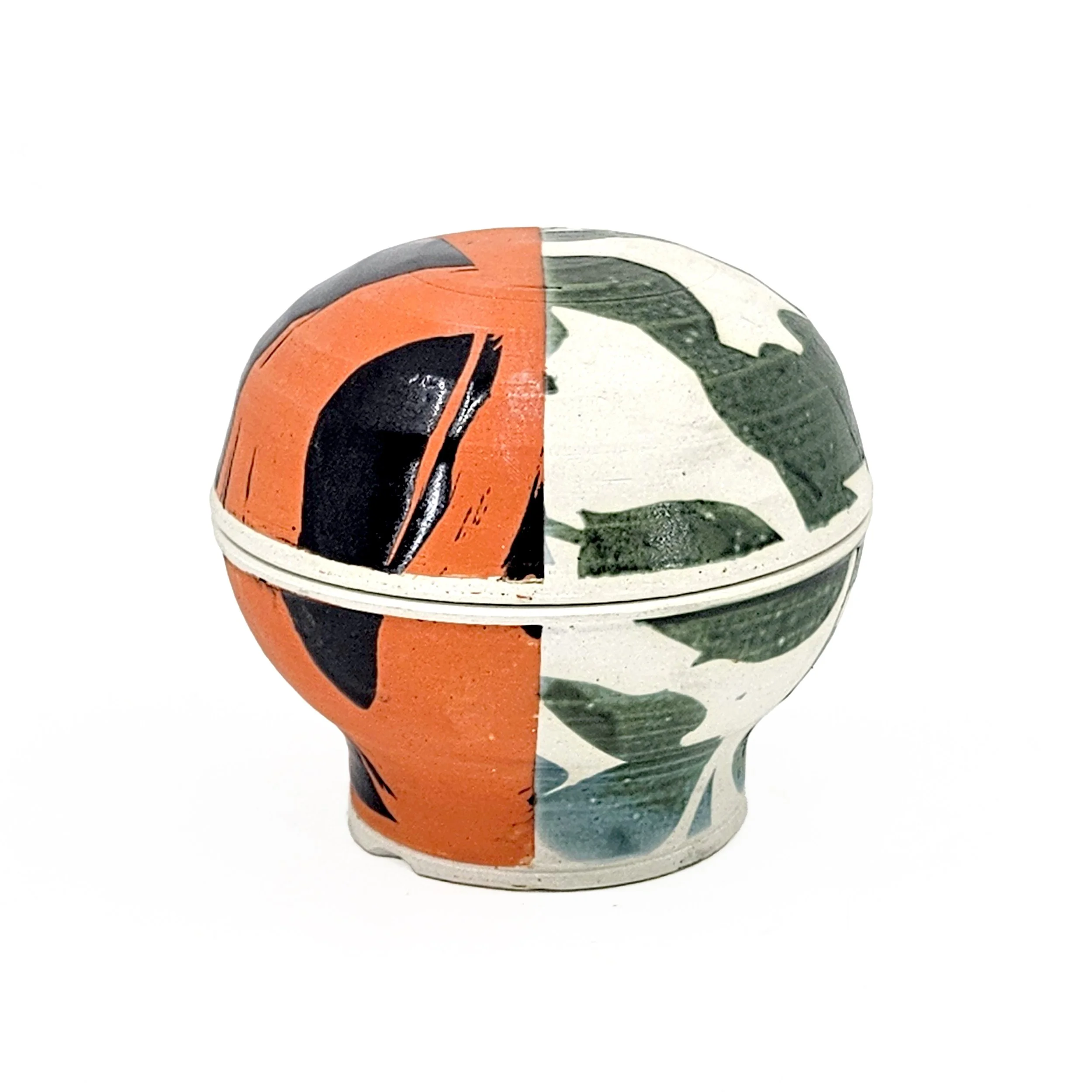
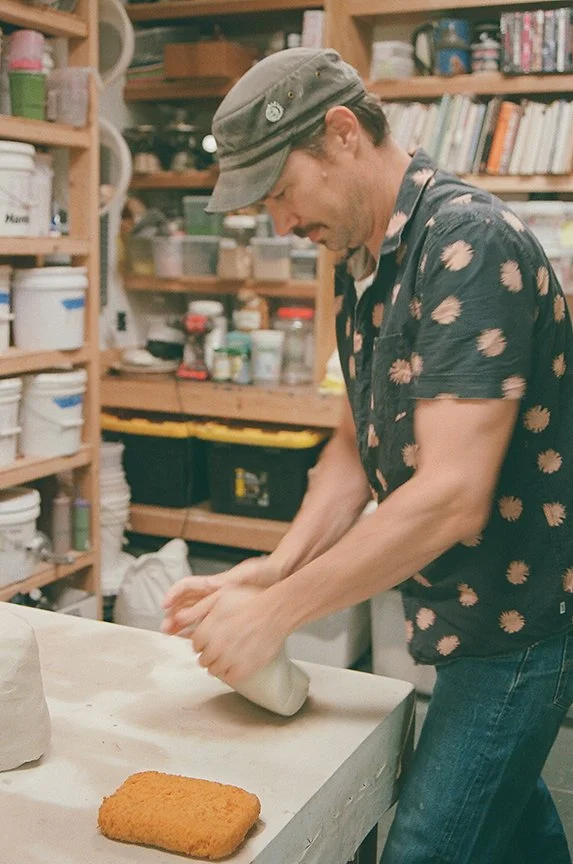
H.P. Bloomer IV is a Texas-based ceramic artist, educator, and researcher whose studio practice interrogates the intersection of human-built systems, material science, and the natural world. Combining a rigorous investigation of clay bodies and glaze chemistry with a deep interest in the ecology and indigenous plant life of North Texas, he has several distinct bodies of work which navigate the boundaries between functional traditions and sculptural narratives. His complex surfaces and structured forms draw disparate inspiration from architectural frameworks, fashion, historic ceramic traditions, and the precision of digital fabrication tools.
HP earned both his Bachelor of Fine Arts and Master of Fine Arts from the University of North Texas. Over a career spanning more than fifteen years, he has established a diverse pedigree as an educator, administrator, and material technician. He currently serves as an Adjunct Instructor of Ceramics at Dallas College (Brookhaven Campus) and Tarrant County College (Northeast Campus), and has previously held faculty appointments at the University of North Texas, the University of Dallas, Colorado Mountain College, and Mendocino College. Beyond higher education, he is deeply embedded in the national craft school community, maintaining an active schedule leading technical workshops and lecturing at institutions such as the Arrowmont School of Arts & Crafts and the Touchstone Center for Crafts.
His professional appointments reflect a profound commitment to the stewardship of ceramic facilities and community craft programming. He served as the Studio Director for Santa Fe Clay from 2014 to 2016, and has managed vital studio operations and technical infrastructure as the Studio Manager and Technician for the Carbondale Clay Center and the Cobb Mountain Art & Ecology Project. His immersive studio research has been supported by long-term Artist-in-Residence appointments at all three institutions, as well as Arrowmont School of Arts & Crafts.
HP Bloomer’s research, writing, and artwork have been featured in prominent industry publications, including Ceramics Monthly, Studio Potter, Lark’s 500 Teapots, and iPotter: The Art of Contemporary Ceramic Art. His work is exhibited extensively throughout the United States and internationally, represented by galleries across the country. He maintains his primary studio practice in Denton, Texas